

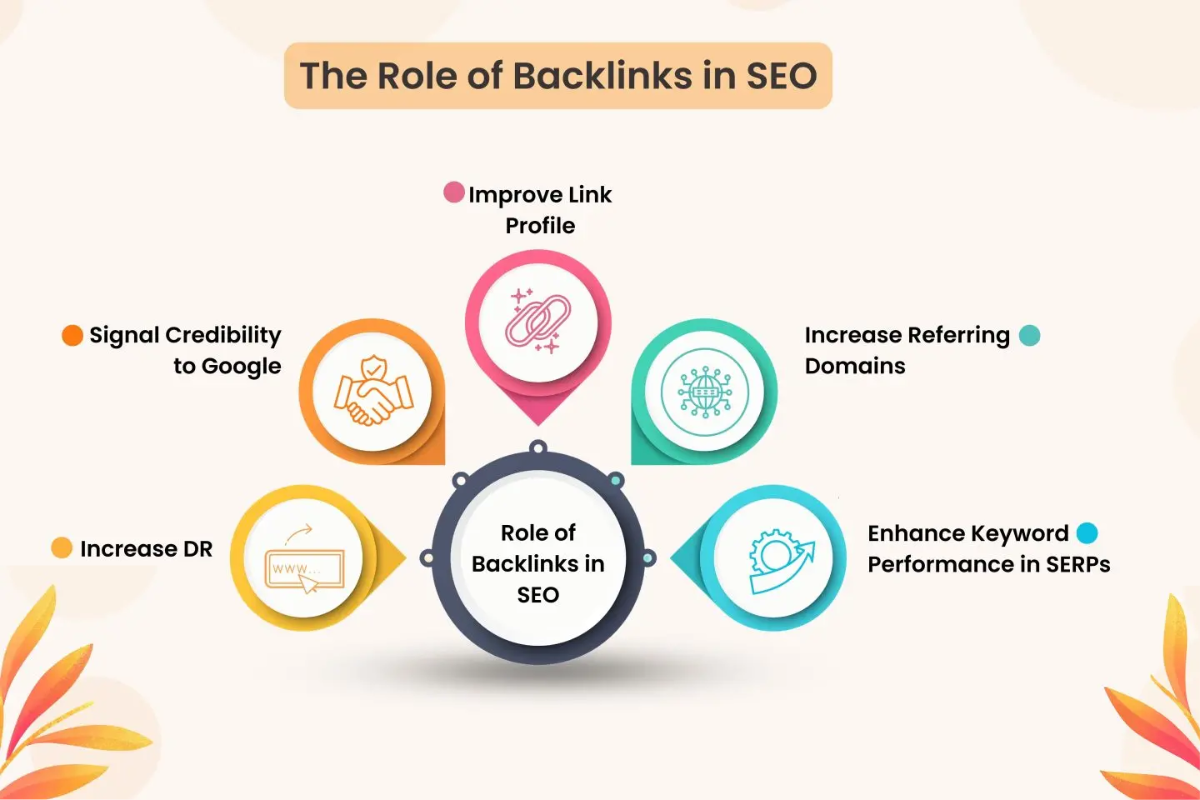
Backlinks are one of the most critical components of SEO and play a pivotal role in how Google ranks your website. A backlink, also known as an inbound link, is simply a hyperlink from one website to another. Think of it as a vote of confidence. When a reputable website links to your content, it signals to Google that your website is trustworthy, relevant, and authoritative.
Why Backlinks Matter
Google’s ranking algorithm relies heavily on backlinks. Sites with strong backlink profiles often rank higher in search results. Here’s why:
- Authority & Trust:
Websites that earn backlinks from authoritative sources are seen as more credible. For example, a backlink from a leading news outlet or a government website carries more weight than a small, personal blog. - Referral Traffic:
Beyond SEO, backlinks drive real users to your site. A well-placed link can attract thousands of potential visitors who are genuinely interested in your content. - Faster Indexing:
Google uses links to discover new pages. When your site gets backlinks from active websites, Google crawlers find your content faster and index it more quickly. - Higher Ranking Potential:
While quality content is crucial, backlinks amplify your ability to rank higher. Sites with more authoritative backlinks often dominate competitive search terms.
Types of Backlinks
Not all backlinks are created equal. Some have a greater impact on Google rankings than others:
- Natural Backlinks:
Earned organically when your content is valuable. Example: Bloggers citing your research. - Manual Outreach Backlinks:
Obtained by contacting websites to link to your content. Example: Guest posts on industry blogs. - Self-Created Backlinks:
Created by submitting links to directories or forums. These carry less SEO value and may even hurt rankings if overused. - DoFollow vs NoFollow Links:
- DoFollow: Pass link equity and improve ranking.
- NoFollow: Do not pass link equity but are useful for traffic and diversity.
Factors That Make Backlinks Effective
Several factors determine how much a backlink can influence your Google ranking:
- Relevance:
Links from websites in your niche or industry are more valuable. - Authority:
High Domain Authority (DA) sites give more weight to your website. - Anchor Text:
The clickable text of the link should include relevant keywords without being spammy. - Link Location:
Links embedded in the main content are more valuable than footer or sidebar links. - Diversity:
A diverse backlink profile (different websites, IPs, and domains) is seen as natural by Google.
Strategies to Build Backlinks
- Guest Posting:
Write articles for reputable websites in your niche and include a link to your site. - Content Marketing:
High-quality content such as infographics, guides, or research studies naturally attract backlinks. - Broken Link Building:
Find broken links on other websites and offer your content as a replacement. - Social Media & Forums:
Sharing content on social platforms and relevant forums can attract backlinks from interested users. - Influencer Outreach:
Collaborate with influencers who can link to your content.
Backlinks and Google Algorithm Updates
Google frequently updates its algorithm to ensure that only high-quality backlinks influence rankings. For example:
- Penguin Update: Penalizes websites with spammy or low-quality backlinks.
- Hummingbird Update: Focuses on relevance and contextual linking.
- BERT Update: Considers user intent, making natural backlinks even more valuable.
It’s crucial to maintain a clean backlink profile and regularly audit it to remove toxic links.
Measuring Backlink Quality
Tools like Ahrefs, SEMrush, and Moz help you track backlinks. Metrics to consider include:
- Domain Authority (DA) / Domain Rating (DR): Shows the overall authority of the linking site.
- Page Authority (PA): Indicates the strength of the specific page linking to you.
- Trust Flow / Citation Flow: Measures link quality and trustworthiness.
Pricing List for Backlink Services
Here’s a typical pricing structure for backlink services in 2025:
| Service Type | Price Range (USD) | Description |
|---|---|---|
| Guest Post Backlink | $50 – $200 | High-quality link from authoritative websites |
| Blog Commenting | $5 – $20 per link | Simple backlinks from blog comments |
| Social Media Backlinks | $10 – $50 per link | Links from platforms like Facebook, Twitter |
| Directory Submission | $2 – $15 per link | Listing your website on niche directories |
| Press Release Backlinks | $100 – $300 | Links from published press releases |
| Infographic Submission | $50 – $150 | Infographic shared with backlinks to your site |
| Forum / Q&A Backlinks | $5 – $30 per link | Links from niche forums like Quora or Reddit |
| Edu / Gov Backlinks | $200 – $500 | High-authority backlinks from education/government |
Conclusion
Backlinks are the backbone of Google ranking. Quality, relevance, and diversity matter more than quantity. By implementing ethical link-building strategies and monitoring your backlink profile, you can improve your website’s authority, drive traffic, and achieve higher rankings. Remember, SEO is a long-term game, and building a strong backlink profile is one of the most sustainable ways to succeed.
