

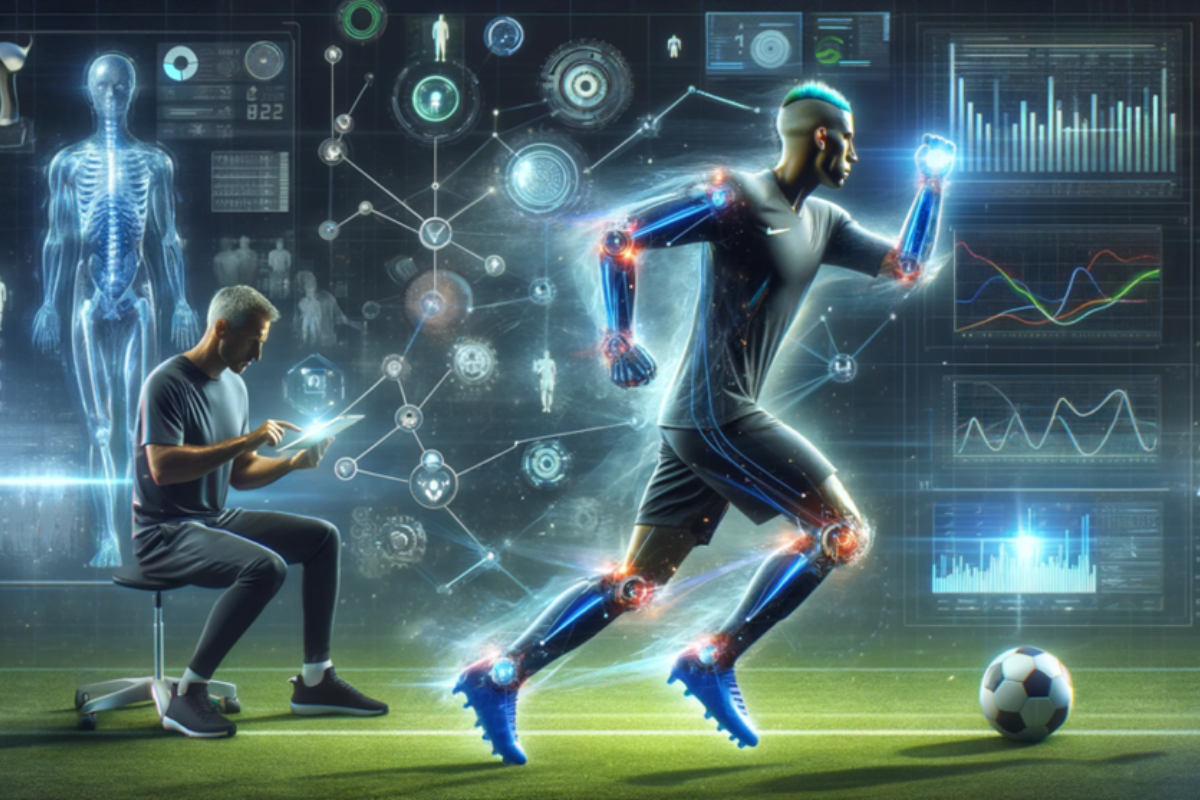
The world of sports is evolving rapidly, not just because of better athletes but because of smarter technology. Artificial Intelligence (AI) is transforming how players train, how coaches make decisions, and how fans experience their favorite games. From football and cricket to tennis and basketball, AI-driven systems are making sports faster, safer, and more exciting.
In this article, we’ll explore how AI technology is improving performance in sports, the key areas where it’s used, and how athletes and teams are gaining a competitive edge through innovation.
1. What is AI in Sports?
Artificial Intelligence in sports refers to the use of data analysis, machine learning, and automation to improve athletic performance, coaching efficiency, and audience engagement. By processing thousands of data points — like player movement, heart rate, speed, and reaction time — AI helps teams make data-backed decisions.
For example:
- Coaches can use AI to analyze player fatigue.
- AI cameras track player movement and suggest better tactics.
- Wearable sensors monitor real-time health and prevent injuries.
AI is not just a futuristic concept — it’s already being used by global teams such as Manchester City, LA Lakers, and Indian Premier League (IPL) franchises.
2. How AI Analyzes Player Performance
AI works by collecting and interpreting large volumes of data from sensors, cameras, and tracking devices. Using machine learning algorithms, it identifies patterns that humans might miss.
Some examples:
- Computer Vision: Cameras powered by AI can identify how fast a player moves, when they slow down, and how effectively they perform under pressure.
- Predictive Analytics: AI can predict player fatigue or injury risks by analyzing previous performance and health data.
- Biomechanics Tracking: Sensors in wearables measure muscle stress, heart rate, and oxygen levels to optimize training schedules.
This kind of analysis allows athletes to train smarter, not harder.
3. AI in Training and Coaching
AI is now an essential tool for coaches who want to customize training plans. It tracks progress, spots weaknesses, and recommends personalized drills.
- Performance Feedback: AI tools like HomeCourt (for basketball) or Catapult Sports (for football) provide real-time insights.
- Tactical Planning: Coaches can simulate match scenarios using AI to understand the best strategies against specific opponents.
- Fatigue Monitoring: AI wearables analyze recovery rates to avoid overtraining.
With these technologies, even amateur athletes can train like professionals.
4. AI and Injury Prevention
Injury prevention is one of the most valuable contributions of AI in sports. AI systems continuously analyze data to detect early signs of strain or imbalance in movement.
Examples:
- AI models predict potential ligament injuries before they happen.
- Smart shoes monitor running patterns and give feedback to prevent joint stress.
- Wearables track hydration levels, helping players avoid cramps or exhaustion.
A single prevented injury can save a team millions and keep players healthy for longer seasons.
5. AI in Strategy and Game Analysis
During live matches, AI analyzes ongoing gameplay to give real-time feedback to coaches and broadcasters.
- AI-powered cameras like Hawk-Eye and Statcast track ball trajectories and player positioning.
- Data dashboards provide instant insights on pass accuracy, possession time, and defense patterns.
- AI simulations can predict game outcomes based on historical data.
These insights help teams adjust tactics on the spot, giving them a competitive edge during critical moments.
6. Fan Engagement and Broadcasting
AI doesn’t just help athletes — it enhances the experience for fans too.
- Smart Highlights: AI automatically edits and creates match highlights.
- Personalized Recommendations: Streaming platforms use AI to suggest matches or players based on your interests.
- Virtual Reality & Augmented Reality: AI-driven VR recreates the stadium experience for fans watching from home.
This combination of AI and entertainment makes sports more interactive and engaging.
7. AI Tools Commonly Used in Sports
Here are some popular AI-based technologies that are shaping modern sports:
| AI Tool / Platform | Primary Use | Sports Type | Key Benefit |
|---|---|---|---|
| Catapult Sports | Player tracking & performance analytics | Football, Rugby, Cricket | Real-time training insights |
| HomeCourt | Motion analysis via phone camera | Basketball | Improves shooting accuracy |
| Hawk-Eye | Ball tracking and replay system | Tennis, Cricket | Accurate decision-making |
| Hudl | Game video analysis | Multiple sports | Strategy and performance review |
| IBM Watson AI | Predictive analytics & commentary | Tennis, Football | Data-based predictions |
| Zebra MotionWorks | Sensor tracking in real time | American Football | Measures player speed & distance |
| WHOOP Strap | Wearable performance tracking | Multi-sport | Monitors strain, recovery, sleep |
| Beyond Pulse | Heart rate and workload tracker | Soccer | Prevents overtraining and injuries |
Summary Table: How AI Improves Sports Performance
| Factor | Role in Sports | AI Impact | Best Practice |
|---|---|---|---|
| Performance Tracking | Monitors speed, accuracy, stamina | Real-time feedback from sensors | Use wearable AI trackers |
| Injury Prediction | Detects risk of strain or fatigue | AI algorithms flag early signs | Regular health data analysis |
| Game Strategy | Helps plan tactics based on data | AI simulations predict outcomes | Analyze opponent performance |
| Training Efficiency | Optimizes workouts for individuals | Personalized AI-based plans | Use AI coaching platforms |
| Decision Accuracy | Assists referees & umpires | Hawk-Eye and VAR improve fairness | Implement AI video review systems |
| Fan Engagement | Enhances viewing experience | AI-driven highlights and VR | Adopt smart broadcast systems |
| Recruitment & Scouting | Identifies potential talent | AI evaluates player metrics | Combine AI analytics with human review |
| Recovery Management | Tracks rest and nutrition | AI adjusts recovery routines | Integrate data with wearable apps |
| Performance Prediction | Forecasts player progress | Machine learning models predict outcomes | Use long-term AI data tracking |
| Sustainability | Reduces resource use in training | Smart scheduling lowers costs | Use AI for resource management |
Pricing List of Popular AI Sports Tools (Approximate)
| AI Tool | Monthly Cost (USD) | Features Included |
|---|---|---|
| Catapult Sports | $200–$500 per athlete | GPS tracking, motion analysis, data dashboard |
| HomeCourt App | $15–$30 per month | AI shot tracking, skill insights |
| Hudl Subscription | $40–$150 per team | Video breakdowns, performance reports |
| WHOOP Strap 4.0 | $30 per month | Heart rate, strain & recovery analytics |
| Beyond Pulse Sensor | $250 one-time + $10/month | Heart rate & workload data |
| IBM Watson Sports AI | Custom pricing | Predictive analytics for organizations |
| Hawk-Eye System | Enterprise pricing | Ball tracking, replay system |
| Zebra MotionWorks | $100–$300/month | Real-time movement and distance tracking |
💡 Note: Prices vary depending on the level of integration, team size, and feature requirements.
Conclusion
Artificial Intelligence is transforming the future of sports — from how players train and perform to how fans enjoy the game. With AI tools monitoring every move and decision, performance improvements are not just about hard work anymore but about smart work.
In the next few years, AI will continue to evolve, offering even more precise data, personalized training, and enhanced safety for athletes. Teams that embrace AI early will not only improve their performance but also redefine the boundaries of sports excellence.
