

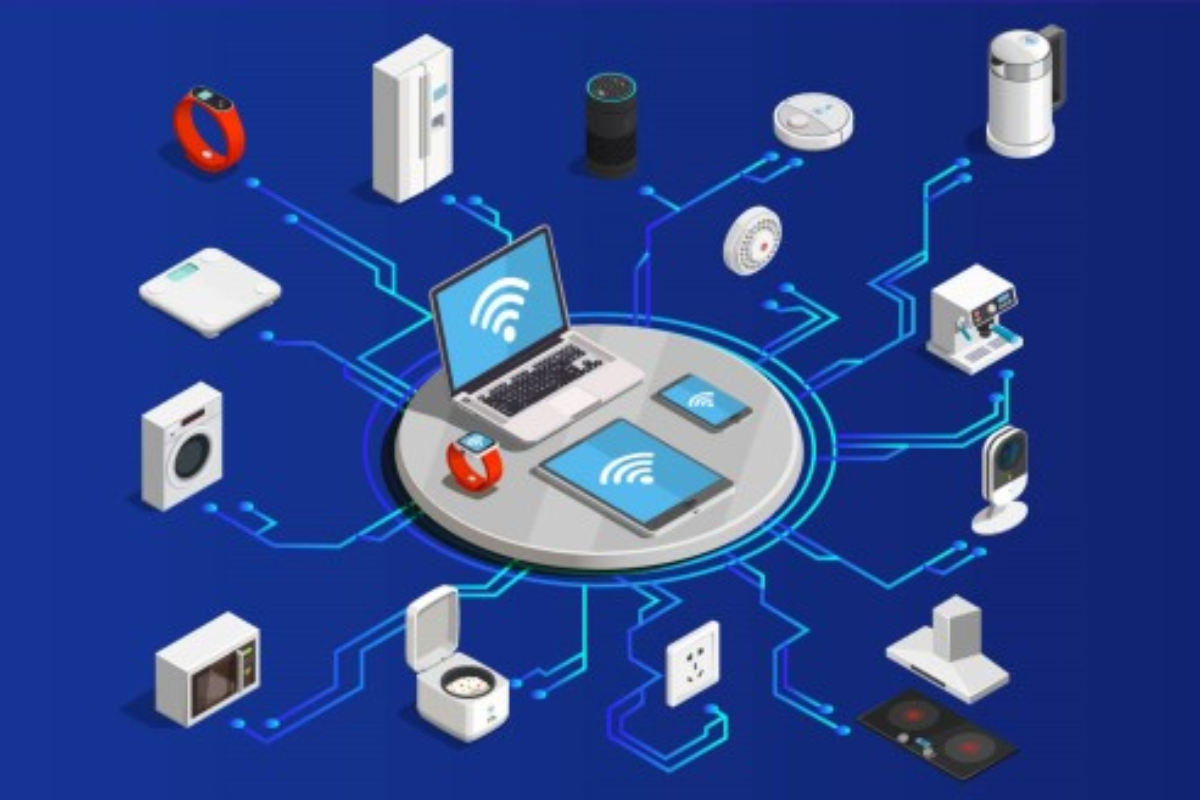
The Internet of Things (IoT) is no longer a futuristic concept—it’s already a part of our daily lives. IoT refers to the network of physical devices connected to the internet, enabling them to collect and exchange data. From smart homes to wearable devices, IoT is reshaping how we live, work, and interact with the world. In this article, we explore various IoT applications that impact our daily lives and explain why understanding this technology is essential in 2025.
1. Smart Homes
Smart homes are perhaps the most visible application of IoT. Devices such as smart thermostats, lighting systems, security cameras, and smart speakers allow homeowners to monitor and control their environments remotely. For instance:
- Smart Thermostats: Adjust temperature automatically, saving energy.
- Smart Lighting: Controlled via apps or voice commands to enhance comfort and efficiency.
- Security Systems: IoT-enabled cameras and door locks provide real-time alerts.
Smart homes not only make life convenient but also reduce energy costs and improve safety.
Part 2 – Summary Table & Pricing List
Title: Internet of Things (IoT) Applications in Daily Life – Summary Table
| IoT Application | Daily Life Impact | Example Devices/Systems | Best Practice / Tips | Approx. Cost (USD) |
|---|---|---|---|---|
| Smart Homes | Convenience, energy saving, security | Smart thermostats, smart lights, smart locks | Use energy-efficient devices, secure Wi-Fi | $50 – $500 per device |
| Wearable Devices | Health monitoring, fitness tracking | Smartwatches, fitness bands | Sync with mobile apps for better data | $30 – $400 |
| Healthcare & Remote Monitoring | Reduced hospital visits, proactive care | Glucose monitors, heart monitors | Choose FDA-approved devices | $100 – $1000 |
| Smart Cities | Efficient traffic, energy, waste management | Traffic sensors, smart streetlights | Implement IoT with city-scale integration | $5000 – $50,000+ |
| Industrial IoT (IIoT) | Predictive maintenance, operational efficiency | Machinery sensors, production monitoring systems | Regular maintenance and analytics | $2000 – $20,000+ |
| Smart Farming | Optimized irrigation, higher crop yield | Soil moisture sensors, weather monitors | Monitor data daily, integrate with drones | $100 – $5000 |
| Connected Vehicles | Road safety, fuel efficiency, fleet tracking | GPS trackers, autonomous car sensors | Update software regularly | $200 – $10,000+ |
| Retail & Smart Shopping | Inventory management, personalized shopping | Smart shelves, RFID, IoT POS systems | Use secure networks and analytics | $500 – $5000 |
| Environmental Monitoring | Pollution control, disaster prediction | Air/water quality sensors, flood monitoring | Place sensors in strategic locations | $50 – $2000 |
2. Wearable Devices
Wearables, including smartwatches and fitness trackers, collect real-time health and fitness data. They monitor heart rate, sleep patterns, physical activity, and even blood oxygen levels. Some advanced wearables can alert users to potential health issues, providing life-saving notifications.
Benefits:
- Real-time health monitoring
- Personalized fitness guidance
- Integration with smartphones for notifications and reminders
3. Healthcare & Remote Monitoring
IoT in healthcare is transforming patient care. Remote monitoring devices can track vital signs of patients and share the data with healthcare providers. Examples include:
- Glucose monitors for diabetics
- Heart monitors for cardiac patients
- Smart inhalers for asthma patients
These devices reduce hospital visits, enhance patient safety, and allow proactive healthcare management.
4. Smart Cities
IoT technology is pivotal in developing smart cities. It is used for traffic management, waste management, and energy-efficient lighting. Examples include:
- Traffic Sensors: Reduce congestion by optimizing traffic flow.
- Smart Streetlights: Adjust brightness based on traffic conditions.
- Waste Monitoring: Sensors notify authorities when bins are full, improving sanitation services.
Smart cities aim to enhance efficiency, sustainability, and the quality of urban life.
5. Industrial IoT (IIoT)
In manufacturing and industry, IoT devices monitor machinery and production lines to ensure optimal efficiency. Predictive maintenance systems use IoT to identify potential machine failures before they occur, reducing downtime and maintenance costs.
Applications:
- Monitoring equipment performance
- Reducing operational costs
- Automating industrial processes
Industrial IoT is revolutionizing productivity and safety standards in factories and warehouses.
6. Agriculture & Smart Farming
IoT plays a crucial role in modern agriculture by enabling precision farming. Farmers use IoT sensors to monitor soil moisture, weather conditions, and crop health. This data-driven approach helps:
- Optimize irrigation systems
- Improve crop yields
- Reduce pesticide and fertilizer usage
Smart agriculture ensures sustainability and profitability for farmers.
7. Connected Vehicles & Transportation
Connected cars and transportation systems rely heavily on IoT. Vehicles can communicate with each other and traffic infrastructure, enhancing road safety and efficiency. Features include:
- Real-time traffic updates
- Vehicle tracking and fleet management
- Autonomous driving technology
IoT-enabled transport reduces accidents, optimizes fuel consumption, and improves commuter experience.
8. Retail & Smart Shopping
Retail businesses are adopting IoT for inventory management and personalized customer experiences. Examples:
- Smart Shelves: Track product availability automatically.
- IoT Payment Systems: Faster checkout using RFID or NFC technology.
- Personalized Marketing: Sensors collect shopping habits for targeted promotions.
IoT helps retailers reduce operational costs and improve customer satisfaction.
9. Environmental Monitoring
IoT devices monitor air quality, water quality, and other environmental parameters. This data is crucial for predicting natural disasters, maintaining sustainable resources, and ensuring public safety.
Examples:
- Sensors for pollution monitoring
- Early-warning systems for floods
- Smart irrigation to conserve water
IoT-driven environmental monitoring is a step toward a greener, safer planet.
10. Future Outlook of IoT
The Internet of Things is expanding rapidly. By 2030, it’s estimated that billions of devices will be connected globally. Emerging technologies like AI, 5G, and edge computing will further enhance IoT capabilities, making it smarter, faster, and more secure. IoT will continue to improve quality of life, efficiency, and sustainability across sectors.
Conclusion
IoT is transforming our daily routines, industries, and cities. From smart homes and healthcare to agriculture and transportation, IoT applications are making life more convenient, efficient, and safe. Embracing this technology is not just a trend; it’s a necessity in today’s interconnected world.
