

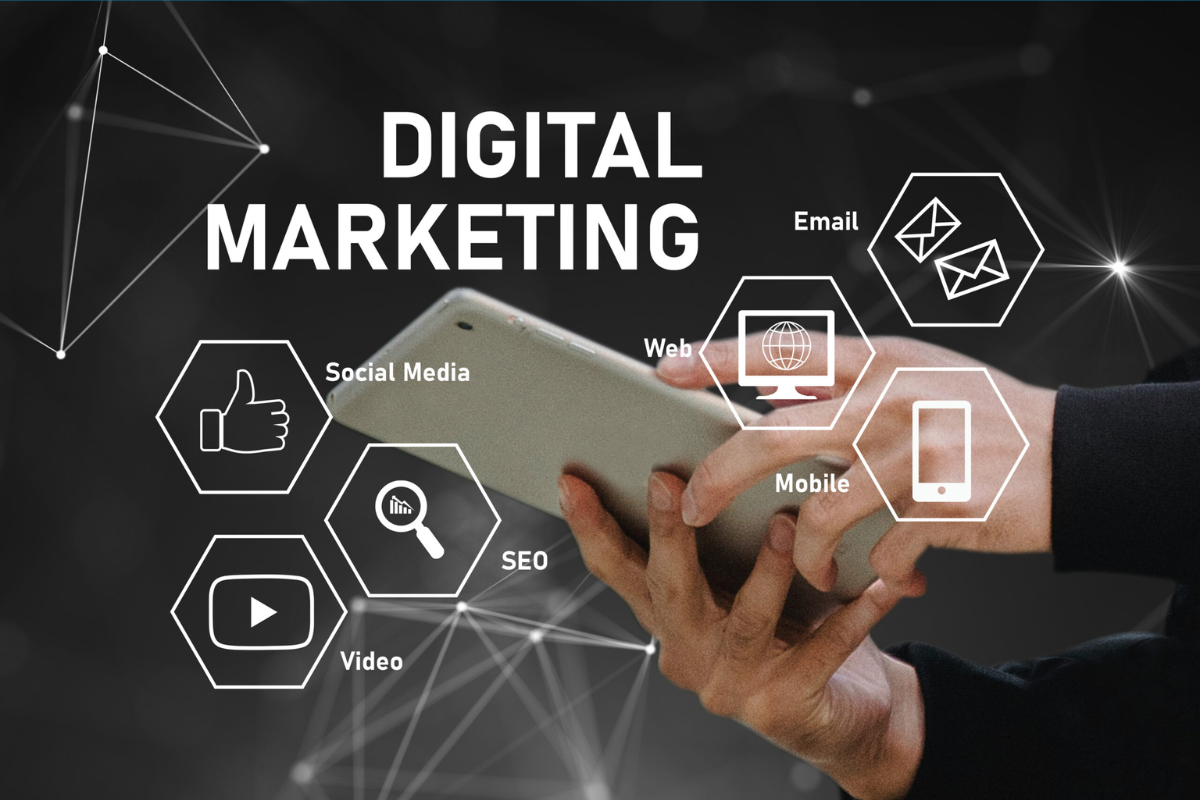
Digital marketing is no longer a luxury – it is a necessity. Businesses, whether small startups or established enterprises, must harness the power of digital platforms to connect with their audience, boost visibility, and generate sales. The internet has transformed consumer behavior, and digital marketing provides the tools needed to stay relevant in this dynamic environment.
This article explores essential digital marketing tips for business growth in 2025, with practical insights that entrepreneurs and marketers can apply immediately.
1. Understand Your Target Audience
The foundation of every successful digital marketing campaign is a deep understanding of your target audience. Knowing who your customers are, what they want, and how they behave online helps in creating tailored strategies that resonate.
- Use analytics tools to study demographics, interests, and buying behavior.
- Develop buyer personas to represent different customer types.
- Monitor social media conversations to track real-time customer sentiment.
👉 When you know your audience, your campaigns are more effective and cost-efficient.
2. Build a Strong Online Presence
Your website is your digital storefront. It must be visually appealing, user-friendly, and optimized for both desktop and mobile devices.
- Ensure fast loading speeds.
- Keep your navigation simple and intuitive.
- Highlight your products, services, and unique selling points.
Additionally, maintain active profiles on key social media platforms where your audience spends time – Facebook, Instagram, LinkedIn, Twitter, or TikTok. Consistency builds trust.
3. Optimize for Search Engines (SEO)
Search Engine Optimization (SEO) remains one of the most powerful digital marketing tools. Ranking high on Google helps attract organic, high-quality traffic to your website.
- Use targeted keywords naturally in your content.
- Optimize meta tags, headers, and descriptions.
- Build backlinks from authoritative websites.
- Improve technical SEO (site speed, crawlability, and mobile responsiveness).
👉 SEO is a long-term investment, but the payoff is substantial.
4. Leverage Content Marketing
Content is still king in digital marketing. By creating high-value, relevant, and engaging content, businesses can educate, inform, and influence their audience.
- Start a blog with industry insights, guides, and case studies.
- Use videos, infographics, and podcasts to reach wider audiences.
- Focus on storytelling to build emotional connections.
Regular, quality content boosts SEO and establishes your brand as an industry authority.
5. Harness the Power of Social Media Marketing
Social media platforms are powerful tools for connecting with customers, generating leads, and building brand loyalty.
- Run targeted ad campaigns to reach the right demographics.
- Engage with followers through comments, messages, and polls.
- Use Instagram Reels, YouTube Shorts, and TikTok for short-form video marketing.
The goal is not just visibility but community building.
6. Invest in Email Marketing
Email remains one of the highest ROI digital marketing channels.
- Build an email list of interested subscribers.
- Segment your list to deliver personalized messages.
- Send newsletters, product updates, and exclusive offers.
Automation tools like Mailchimp or ConvertKit help streamline campaigns and track performance.
7. Use Paid Advertising (PPC & Display Ads)
Pay-Per-Click (PPC) advertising, like Google Ads and Facebook Ads, drives instant traffic.
- Set clear campaign objectives (sales, leads, or awareness).
- Optimize ads with strong visuals and compelling CTAs.
- Continuously monitor and adjust campaigns to maximize ROI.
👉 A mix of paid and organic marketing creates a balanced growth strategy.
8. Focus on Video Marketing
Video is now the most consumed form of online content.
- Create tutorials, product demos, and explainer videos.
- Use YouTube, Instagram, and TikTok to distribute content.
- Incorporate live streaming for real-time engagement.
Statistics show that video marketing increases conversion rates significantly.
9. Improve Conversion Rate Optimization (CRO)
Driving traffic is one thing, but converting visitors into customers is another.
- Use clear CTAs on landing pages.
- Test different layouts with A/B testing.
- Build trust with reviews, testimonials, and security badges.
Even a small increase in conversion rate can result in substantial revenue growth.
10. Track Performance with Analytics
Digital marketing success depends on continuous measurement and improvement.
- Use Google Analytics to track traffic, bounce rates, and conversions.
- Monitor social media insights.
- Adjust campaigns based on real-time data.
👉 Data-driven decisions ensure better ROI and long-term business growth.
Summary Table: Essential Digital Marketing Tips for Business Growth
| Digital Marketing Factor | Role in Business Growth | Impact if Ignored | Best Practice for Success |
|---|---|---|---|
| Audience Research | Identifies customer needs & behaviors | Wasted budget, irrelevant campaigns | Use analytics & customer personas |
| Website Optimization | Boosts credibility & user experience | High bounce rates, poor conversions | Mobile-friendly, fast-loading website |
| SEO | Improves visibility & organic traffic | Lower rankings, less visibility | Keyword optimization & backlink building |
| Content Marketing | Builds authority & trust | Weak brand image, low engagement | Create blogs, videos, and guides regularly |
| Social Media Marketing | Increases engagement & brand awareness | Missed customer interaction opportunities | Run targeted campaigns & build communities |
| Email Marketing | Generates repeat sales & customer loyalty | Weak customer retention | Personalized newsletters & automation |
| Paid Advertising (PPC) | Delivers instant leads & visibility | Slow growth, low reach | Use Google Ads, Facebook Ads with clear goals |
| Video Marketing | Improves engagement & conversions | Low content reach & weak brand image | Create tutorials, reels, and live videos |
| Conversion Optimization | Maximizes return from existing traffic | High traffic but poor sales | A/B testing, trust signals, clear CTAs |
| Analytics & Tracking | Guides future strategy & decision-making | Blind marketing without direction | Track KPIs, use Google Analytics & dashboards |
Pricing List for Digital Marketing Services (Example)
| Service | Pricing (Approx) | Notes |
|---|---|---|
| SEO Optimization (Monthly) | $200 – $1000 | Depends on competition & industry |
| Social Media Marketing | $300 – $1500 | Includes ads, content & engagement |
| Content Marketing (Blogs/Videos) | $150 – $800 per project | Based on length & complexity |
| Email Marketing | $100 – $500 per month | Includes automation & design |
| PPC Campaign Management | $300 – $2000 + Ad Spend | Agency fees + platform advertising costs |
| Website Development & Design | $500 – $5000 | One-time setup, based on features |
| Video Marketing | $200 – $2000 per video | Depends on quality & production style |
| Analytics & Reporting | $100 – $400 per month | Ongoing performance tracking |
👉 Pricing varies depending on region, agency, and project size. Businesses can choose a package or mix services based on goals.
🎯 Conclusion
Digital marketing is not just about promoting a brand—it’s about creating meaningful connections with your audience. By implementing these essential tips, businesses can boost visibility, attract the right customers, and achieve sustainable growth. Whether you’re a startup or a global company, success in 2025 depends on your ability to adapt, innovate, and stay ahead in the digital game.
