

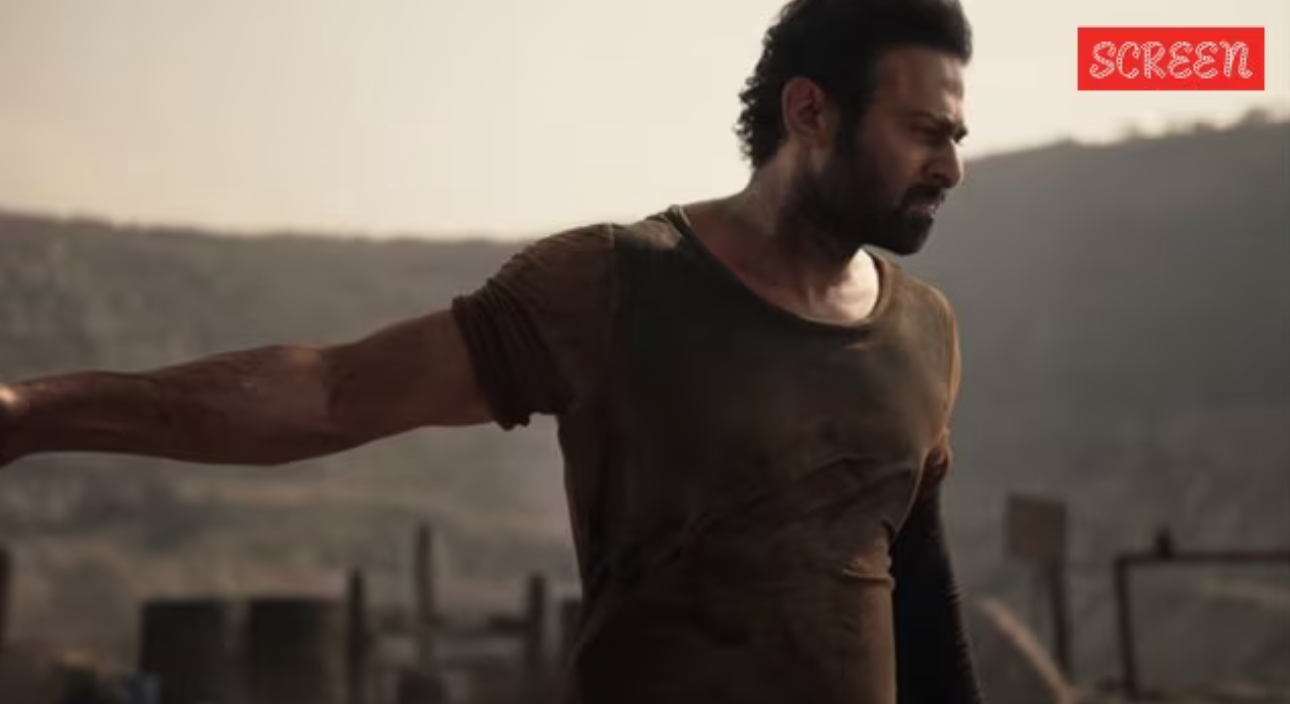
When Prashanth Neel, the mastermind behind KGF, joined forces with Prabhas, one of India’s biggest pan-Indian stars, expectations were sky-high. And Salaar didn’t disappoint. The film presented Prabhas in a new light — not just as a mass hero drenched in action and fury, but as an agent of quiet power.
In Salaar, Prabhas’s transformation goes beyond muscles and mass; it’s rooted in restraint, silence, and emotional depth — qualities that make his presence even more intimidating.
💥 The Power of Stillness
Prashanth Neel’s cinematic language thrives on atmosphere — brooding silences, heavy emotions, and sudden bursts of violence.
In Salaar, Prabhas embodies this world perfectly. His character, Deva, doesn’t speak much, but every glance, every pause, and every step feels loaded with intent.
Neel crafts Deva as a man of few words — a volcano disguised as a mountain. His calm demeanor conceals the storm within, and that silence becomes the loudest roar when the action unfolds.
🧱 From Baahubali’s Majesty to Deva’s Mystery
We’ve seen Prabhas as the noble and expressive king in Baahubali, but Salaar demanded the opposite — an internal, contained performance.
Instead of grand speeches or dramatic gestures, Prabhas channels raw emotion through minimal movement. His transformation into Deva is both physical and psychological:
- Physical: A bulked-up yet grounded physique, with movements that feel deliberate and heavy.
- Psychological: A haunted calmness in his eyes, portraying both loyalty and rage.
This subtle shift redefines how audiences perceive “mass heroes” — not just loud and aggressive, but quietly dominant.
⚙️ Prashanth Neel’s Vision of Power
Prashanth Neel doesn’t create typical heroes; he sculpts myths.
In his universe, silence isn’t weakness — it’s control. Power isn’t in shouting — it’s in commanding respect through presence.
Deva’s silence becomes a narrative weapon. When he finally acts or speaks, it carries seismic weight. Neel and Prabhas together redefine the language of power — measured, minimal, and monumental.
🔥 The Language of Loyalty and Brotherhood
At its heart, Salaar isn’t just a story of rebellion; it’s about bond and brotherhood. Deva’s restraint mirrors his loyalty — his silence often speaks more than dialogue could.
When he finally unleashes his fury, it feels personal, rooted in emotional truth rather than cinematic showmanship.
This emotional control gives Prabhas’s performance depth. He’s not a hero for applause; he’s a protector for a cause — a man who fights only when the world leaves him no choice.
🕶️ Visual Storytelling and Transformation
Neel’s visual style complements Prabhas’s quiet intensity —
- Dimly lit frames emphasize mystery.
- Long pauses heighten tension.
- The camera lingers on Prabhas’s expressions instead of dialogues.
Together, they build an atmosphere where power feels earned, not displayed. It’s storytelling through silence — a dangerous calm that’s more terrifying than rage.
🌌 Conclusion: The Rise of the Silent Storm
In Salaar, Prabhas doesn’t just play a character; he becomes a symbol — of controlled strength, unspoken pain, and moral power.
Prashanth Neel crafts him not as a loud warrior but as a silent force of destiny.
This transformation marks a new chapter in Prabhas’s career — from the epic grandeur of Baahubali to the brooding realism of Salaar.
It’s not just evolution — it’s a reinvention of heroism, where silence speaks louder than swords.
